
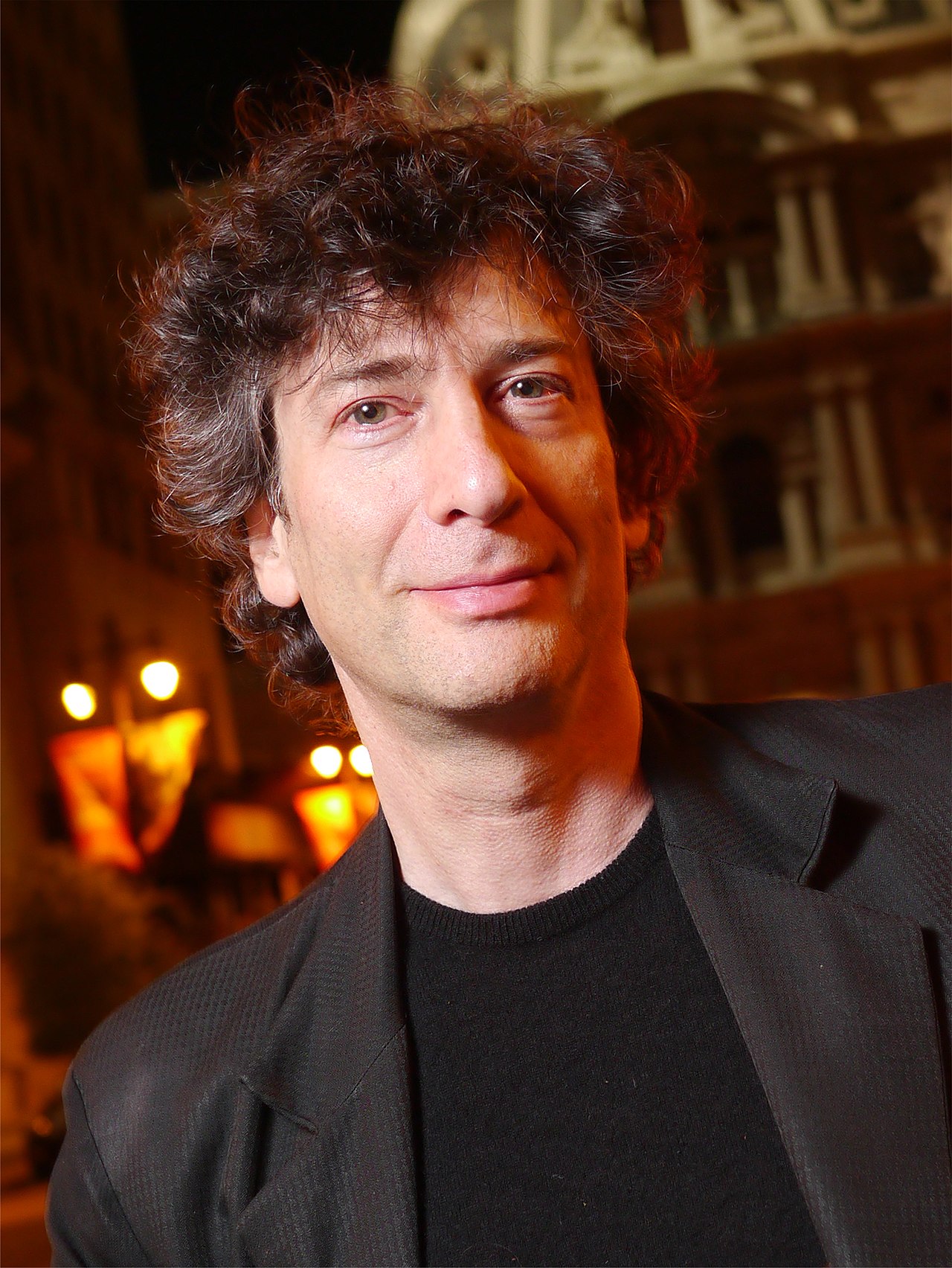
In November 1988, comic book readers encountered something unprecedented on the shelves: The Sandman #1, featuring a haunting cover by Dave McKean that looked nothing like the superhero fare dominating the medium. Inside, writer Neil Gaiman and artist Sam Kieth introduced readers to Dream of the Endless, beginning what would become one of the most critically acclaimed and culturally significant comic series ever created.
The Sandman didn't just tell stories—it rewrote the rules of what comics could be. Over its 75-issue run from 1989 to 1996, Gaiman crafted a dark fantasy epic that blended mythology, horror, history, and philosophy into something entirely new. The series became Vertigo's flagship title and helped establish the imprint as a home for mature, sophisticated storytelling.
From Obscure Origins to Literary Revolution
The series began when DC editor Karen Berger asked Gaiman if he'd be interested in reviving an obscure character called the Sandman. The original had appeared in various forms since the 1970s, but Berger gave Gaiman remarkable creative freedom: "Keep the name. But the rest is up to you."
Gaiman's inspiration came from "an initial image of 'a man, young, pale and naked, imprisoned in a tiny cell, waiting until his captors passed away... deathly thin, with long dark hair, and strange eyes.'" This became Dream (also known as Morpheus), one of seven anthropomorphic beings called the Endless who embody fundamental aspects of existence.
The first story arc, "Preludes and Nocturnes," established the series' premise: Dream has been imprisoned for 70 years by an occultist seeking to capture Death. When he finally escapes, he must reclaim his power and rebuild his realm, the Dreaming. This simple setup became the foundation for increasingly complex narratives that would span millennia and touch every corner of human experience.
A Cast of Endless Possibilities
The Endless themselves became some of the most memorable characters in comics. Death, introduced in issue #8, subverted every expectation about the Grim Reaper, appearing as a cheerful, goth-styled young woman who approaches her duties with compassion and wisdom. Her single-issue story "The Sound of Her Wings" remains a masterclass in character development and became many readers' entry point into the series.
Each of the Endless—Destiny, Death, Dream, Destruction, Desire, Despair, and Delirium (formerly Delight)—represented both cosmic forces and deeply human experiences. Gaiman understood that the most effective fantasy often works by making the universal personal, and the Endless embodied this principle perfectly.
Literary Ambition Meets Visual Innovation
What set The Sandman apart wasn't just Gaiman's writing, but the collaborative visual storytelling that brought his scripts to life. Artists like Mike Dringenberg, Jill Thompson, Shawn McManus, Marc Hempel, and Michael Zulli each brought distinct styles to different story arcs, creating a visual diversity that matched the narrative's genre-hopping ambitions.
Dave McKean's covers became art objects in their own right, using photography, painting, and mixed media to create images that captured the series' dreamlike quality. McKean convinced editor Karen Berger that Dream didn't need to appear on every cover—a radical departure from superhero comics that helped establish The Sandman's literary credibility.
The series drew inspiration from sources ranging from Shakespeare to mythology, from horror literature to historical events. Gaiman wove together influences as diverse as Dennis Wheatley, Clive Barker, and Alan Moore, while incorporating everything from Chaucer's Canterbury Tales to contemporary urban fantasy.
Stories Within Stories
The Sandman's narrative structure was as innovative as its content. While following Dream's overarching character arc, Gaiman frequently employed anthology-style storytelling, with single issues or short arcs that functioned as complete stories while advancing larger themes.
"A Midsummer Night's Dream" won the World Fantasy Award for Best Short Fiction in 1991—the only comic ever to receive this honor. The issue depicted Shakespeare's company performing the play for an audience of real faeries, blending fiction with "reality" in ways that exemplified the series' sophisticated approach to storytelling.
Other standout stories include "The Sound of Her Wings," which introduced Death's compassionate nature; "24 Hours," a genuinely disturbing horror story that showcased Gaiman's range; and "Ramadan," a beautifully illustrated tale of Baghdad's golden age that demonstrated how the series could work as pure fantasy.
Cultural Impact and Critical Recognition
The Sandman attracted readers who had never picked up a comic before. Its audience was notably diverse—many were female, many were college students, and many read nothing else in the medium. Comics historian Les Daniels called it "a mixture of fantasy, horror, and ironic humor such as comic books had never seen before."
The series became one of the first graphic novels to appear on The New York Times Best Seller list, alongside Watchmen and Maus. Norman Mailer described it as "a comic strip for intellectuals," while Entertainment Weekly included it among the "100 best reads from 1983 to 2008."
More importantly, The Sandman proved that comics could handle literary themes and complex narratives without sacrificing their unique visual storytelling strengths. It paved the way for the graphic novel boom and helped establish comics as a legitimate art form worthy of academic study.
A Satisfying Conclusion
Unlike many long-running series, The Sandman had a planned ending. Gaiman always envisioned Dream's story as a tragedy about the price of change and the necessity of growth. The final storyline, "The Wake," brought the series to a conclusion that felt both inevitable and profoundly moving.
"Could I do another five issues of Sandman?" Gaiman asked in 1996. "Well, damn right. And would I be able to look at myself in the mirror happily? No. Is it time to stop because I've reached the end, yes, and I think I'd rather leave while I'm in love."
Legacy and Influence
The Sandman's influence extends far beyond comics. It inspired numerous spin-offs, including series focusing on Death, Lucifer, and other characters from Gaiman's mythology. The 2022 Netflix adaptation introduced the stories to a new generation, while audio drama versions featuring James McAvoy brought Gaiman's scripts to life in yet another medium.
But perhaps most importantly, The Sandman proved that comics could be literature without losing what makes them uniquely powerful as a medium. It showed that fantasy stories could grapple with profound themes about mortality, change, responsibility, and what it means to be human.
For readers discovering The Sandman today, the series offers the rare pleasure of a complete, satisfying narrative that rewards multiple readings. It's a story about stories, a dream about dreams, and a comic that helped an entire medium grow up. In an age where superhero properties dominate popular culture, The Sandman remains a reminder that comics' greatest power lies not in spectacle, but in their ability to make us see the world—and ourselves—differently.
Neil Gaiman created something truly special with The Sandman: a work of art that happens to be a comic book, rather than a comic book trying to be art. That distinction makes all the difference, and it's why, nearly thirty years later, Dream of the Endless continues to haunt our imaginations.
Log in to leave a comment.
No comments yet. Be the first!