
The Demoscene: Europe's Underground Computer Art Revolution
From 1980s crack screens to UNESCO cultural heritage, the demoscene transformed software piracy signatures into one of the world's most innovative digital art movements.
Articles tagged "Tech" on ForeverGeek.
From 1980s crack screens to UNESCO cultural heritage, the demoscene transformed software piracy signatures into one of the world's most innovative digital art movements.
Born from the ashes of the video game crash of 1983, the Amiga became the world's first true multimedia computer, revolutionizing graphics, sound, and multitasking years before its competitors caught up.
Hudson Soft and NEC's ambitious console launched as the first fourth-generation system in 1987, pioneering CD-ROM gaming but facing an uphill battle against Nintendo and Sega in the West.
The late 1970s to early 1980s marked arcade gaming's most influential period, when coin-operated cabinets transformed entertainment culture and generated more revenue than Hollywood and pop music combined.
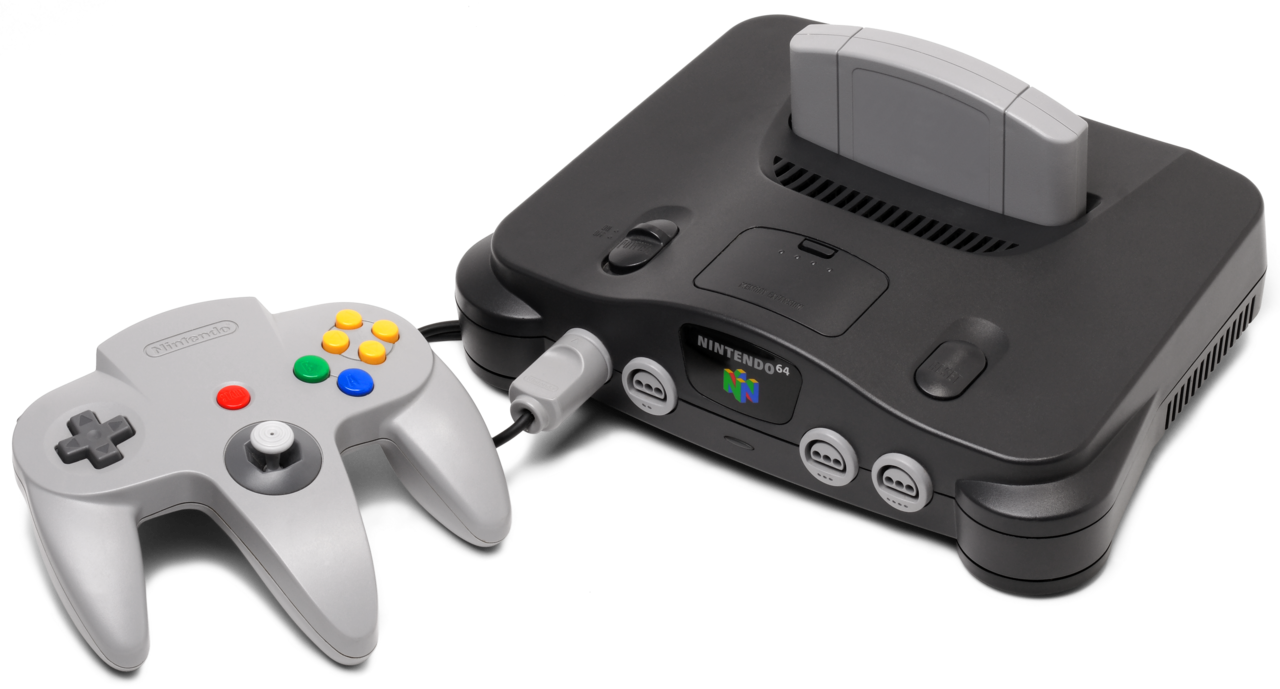
Nintendo's groundbreaking 64-bit console changed gaming forever with analog controls, four-player multiplayer, and legendary exclusives, though its cartridge format proved both blessing and curse.
From a failed Nintendo partnership to global gaming dominance, Sony's PlayStation brand transformed the video game industry and redefined home entertainment.
Nintendo's legendary 16-bit powerhouse that defined gaming in the 1990s and brought us some of the greatest video games ever made.
Before broadband, there was the unmistakable sound of a modem handshake and AOL's digital training wheels that brought millions online for the first time.
Before the web, there was Ceefax – the BBC's pioneering teletext service that transformed television sets into interactive information terminals for nearly four decades.
The Commodore 64 wasn't just a computer—it was a democratic revolution wrapped in brown plastic. Here's how one machine changed everything.
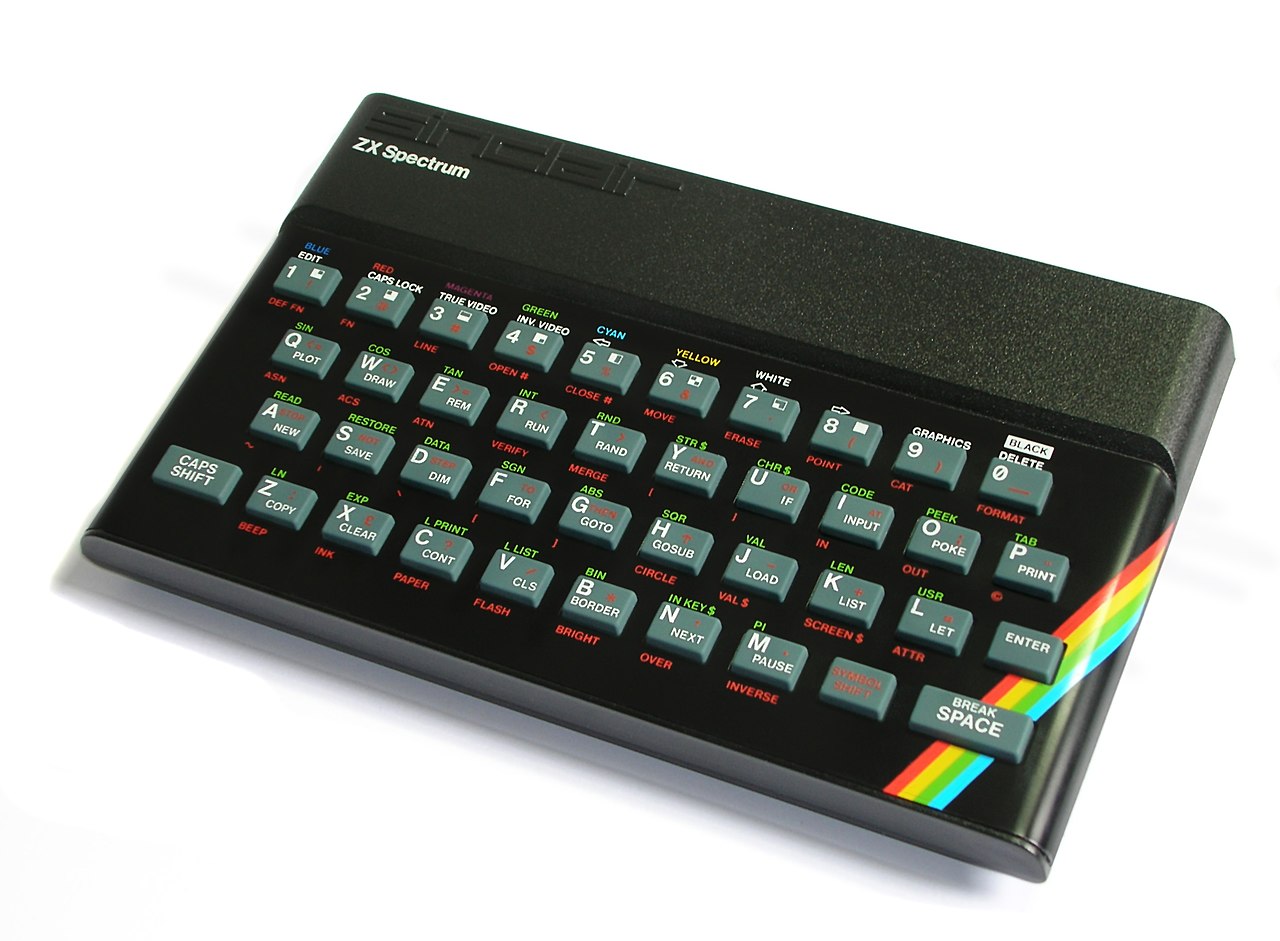
The story of Clive Sinclair and the ZX Spectrum isn't just about circuits and code—it's about how an eccentric genius with a pocket calculator vision democratized computing and accidentally created the British video game industry.
In 1987, Commodore unleashed a technological marvel disguised as an affordable home computer. The Amiga 500 didn't just compete with other machines—it redefined what was possible at home.